






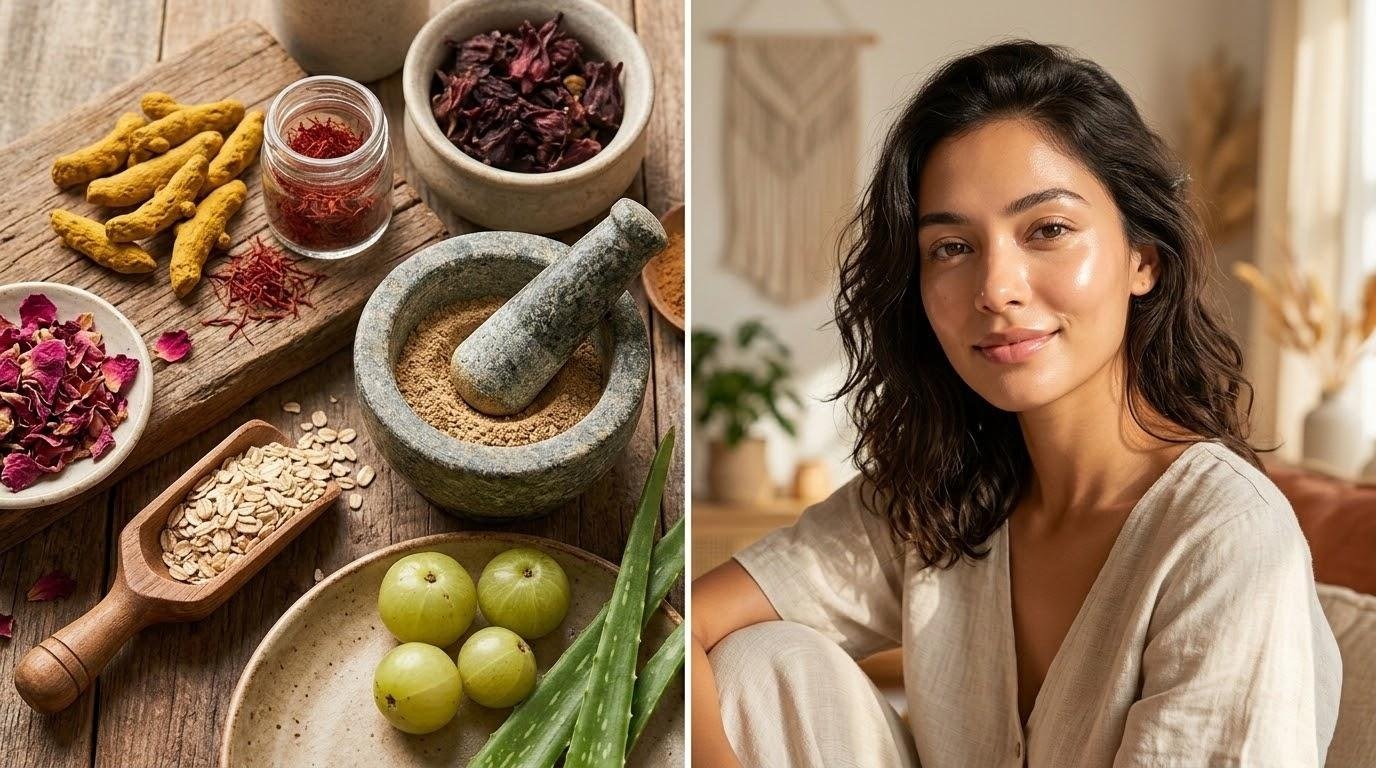
Countless beauty tips, skincare trends and products are flooding our Instagram and other social media accounts, right? It becomes easy to feel overwhelmed. Cosmetic products and treatments that promise flawless and lustrous skin often lead to endless, dizzying paths. What to embrace and which beauty routine to release for the truest love of the skin?
We must pause and listen to the whispers of the past of those golden ancient beauty secrets for achieving natural, glowing skin. In this guide, these ancient beauty secrets are coming to you.
Ancient Skincare Still Matters: Here is Why
The effectiveness of ancient skincare lies in its simplicity and connection to nature and natural ingredients. They focus on gentle, nourishing ingredients supporting the skin’s natural barrier rather than damaging it. Unlike many modern products filled with harsh chemicals, ancient skin care methods emphasise balance, hydration and long-term skin health.
Adaptability is the other reason it remains relevant. Ingredients like turmeric, rose water and aloe vera are not only natural but also recognised by science for their skin benefits even today. These secrets continue to inspire modern formulations, proving that tradition and innovation can beautifully coexist.
Ancient Beauty Secrets
Turmeric, rose water, aloe vera and more such natural ingredients are there for your skin, so why go for harsh solutions? Take a look at how these can promote natural, glowing skin.
- Turmeric
It has been a cornerstone of ancient skincare for centuries. Turmeric is known for its bright yellow hue and healing properties. It was used in a bridal ritual to enhance glow and purify the skin. In traditional households, it was more than beauty ingrendiet because it symbolised purity, protection and renewal. It is often applied before important life events as part of sacred, holistic beauty rituals.
In modern times, turmeric is valued for its anti-inflammatory and antibacterial properties. It helps reduce acne, brighten skin tone and improve overall complexion.
It is best for acne-prone and dull skin.
- Rose Water
It has been used in ancient skincare traditions across the subcontinent. It was cherished for its soothing fragrance and calming effect on the skin, and some traditional households alike rose water symbolises elegance, purity and self-care.
It is often used in daily holistic beauty rituals as a refreshing and spiritually uplifting element. In modern skin care, rose water acts as a natural toner that hydrates, refreshes and balances the skin’s pH. It is one of the simplest yet most effective holistic beauty rituals one can adopt.
It is best for sensitive and dry skin. It does help reduce redness and irritation.
- Honey
It has been used for thousands of years, especially in Egyptian, Greek and Ayurvedic traditions. It was considered a sacred ingredient that is often used not only for beauty but also for healing and preservation. Ancient Egyptians even used honey in skincare rituals for queens.
Honey symbolised nourishment and natural healing, making it a trusted element in everyday skincare practices passed through generations.
In modern skincare, it is valued for its ability to lock in moisture and fight acne-causing bacteria.
It is best for dry and acne-prone skin. It does help you achieve soft and radiant skin.
- Aloe Vera
It has been a trusted ingredient in ancient skincare systems for centuries, like Ayurveda and traditional Chinese medicine. It was often used to soothe burns, heal wounds and hydrate the skin. In many ancient traditions, aloe vera was considered a “plant of immortality”. It was valued for its ability to restore and protect the skin naturally. It held a special place in holistic beauty rituals, where it was used as a cooling remedy in hot climates and as a healing treatment passed down through generations in ancient skincare practices.
It is best for irritated, sunburned or dehydrated skin.
- Multani Mitti
It has been a vital part of South Asia for centuries. It was used to cleanse, detoxify and refresh the skin naturally. Historically sourced from the region of Multan, this is mineral-rich clay popular for its cooling properties and was often applied in hot climates to soothe and purify the skin.
It symbolises simplicity and natural healing. It can be part of your daily routine to maintain clear and balanced skin.
It is best for oily and acne-prone skin.
Do not overuse it to prevent dryness.
Do you know “Rice Water for Skin” can also be a good essential skincare for achieving healthy and radiant skin? You can get yourself rice water skin care essentials if your skin finds a need for it.