





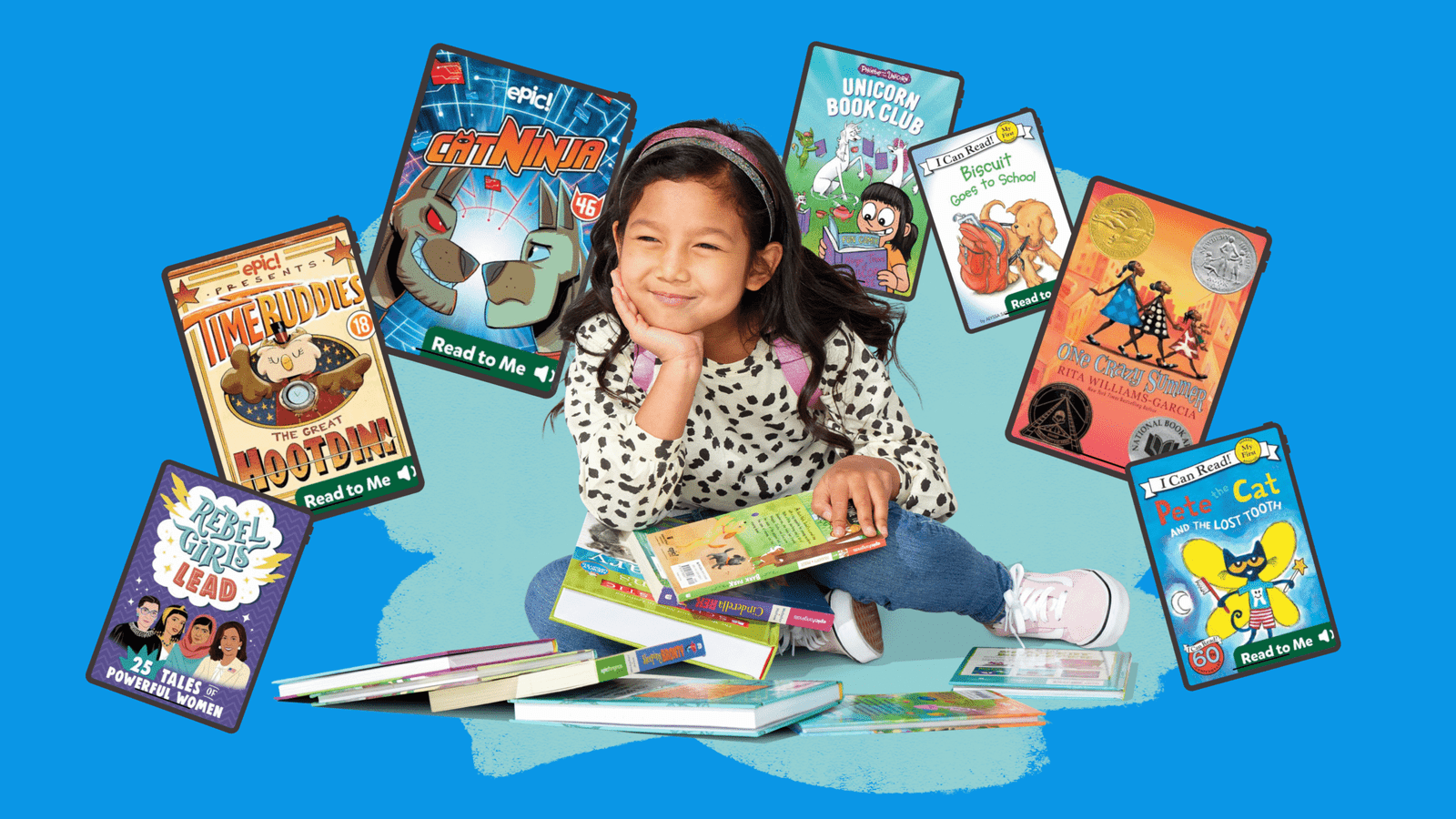
We close the book. The story is over. “The End” usually signals the moment to put the book back on the shelf and turn on the TV or start dinner. But I noticed something missing in that routine. My kids were enjoying the stories, but they weren’t living them. They consumed the narrative, but they didn’t connect it to the dirt, the wind, or the trees right outside our window.
The problem isn’t the books. The problem is the disconnect between the page and the physical world. Reading comprehension skyrockets when children can touch, smell, and see the concepts they just read about. If we read about a bear finding apples, but never go look for an apple tree, that bear remains a flat, 2D drawing.
I started experimenting with “Literary Adventures.” These aren’t expensive vacations. They are simple, intentional outings designed to mirror the themes of our favorite stories. It changed how we read. Suddenly, the local park wasn’t just a playground; it was a setting for a treasure hunt.
Here is how I bridge the gap between fiction and reality, and how you can plan these outings without losing your mind.
Why “living the book” matters more than just reading it
I used to think reading aloud was enough. It is great, but it is passive. When I started dragging the kids outside to “act out” the chapters, I saw a shift. They remembered details I had forgotten. They asked better questions.
This is about experiential learning. When a child holds a rough pinecone after reading about a forest, their brain creates a multi-sensory memory. It anchors the vocabulary. “Rough,” “sticky,” and “pine-scented” become real experiences, not just words on a page.
I categorize our reading experiences into two buckets: Passive and Active. Here is the difference I see in my household.
Table 1: Passive Reading vs. Active Literary Adventures
| Feature | Passive Reading | Active Literary Adventure |
| Engagement | Visual and Auditory only. | Visual, Auditory, Tactile, Kinesthetic. |
| Retention | Kids often forget plot details after a few days. | Kids recall specific details weeks later. |
| Physical Activity | Sedentary (sitting on the couch). | High movement (walking, climbing, searching). |
| Parental Role | Narrator. | Guide and co-explorer. |
| Outcome | Entertainment. | Deep comprehension and memory formation. |
You do not need to do this for every single book. That leads to burnout. I choose one “special” book a month to turn into an adventure.
Walking in Benny’s Footsteps: The Forest Scavenger Hunt
One of our recent favorites involved a character searching for hidden items in the woods. Whether it is a classic bear story or a modern tale, the “quest” structure is the easiest to replicate in real life. We took inspiration from The Adventures of Benny the Bear and the Lost Treasure and headed to the nearest nature trail.
We didn’t just walk. Walking is boring for a six-year-old. We were on a mission.
Setting the Scene
Before we left the house, I made a list. In the story, Benny looks for specific things. I adapted that list to what I knew we could find in our local climate. If the book features a mountain and you live in the flatlands, you have to improvise. A “mountain” can become the biggest hill in the park.
The Mission: Find the “snacks” the character ate. In our case, we were looking for wild berries (to look at, not eat!), acorns, and apples.
The “Apples” Moment
Finding an apple tree in the wild is rare depending on where you live. I admit, I cheated once. I bought three red apples from the grocery store and hid them along the trail ahead of the kids while my partner distracted them.
When they “found” the apples, the excitement was electric. It validated the story. They realized that the things in books exist in their world.
Key takeaway: You don’t have to rely purely on nature. Seed the environment if you have to. If the book is about gold coins, hide a few chocolate coins in the hollow of a tree.
Scavenger Hunt Checklist
Here is the generic template I use for forest adventures based on animal stories.
- Something Soft: Moss or a feather (mimics animal fur).
- Something Hard: A rock or a nut shell (mimics a turtle shell or hoof).
- A Shelter: A hole in a tree or a pile of brush (where the character sleeps).
- Food Source: Acorns, pinecones, or berries.
Stargazing: Connecting with the Night Sky
Many children’s books focus on the moon or the stars. It is a common bedtime theme. Yet, we rarely take kids outside at night. We rush them to bed.
I decided to break the routine. We read a book about the phases of the moon, and then we put on our coats and went to the backyard.
The Setup
You do not need a telescope. In fact, a telescope can be frustrating for young kids because it is hard to aim. We used a simple blanket and a stargazing app on my phone to help identify constellations mentioned in stories.
We focused on sensory contrast.
- How does the air feel different at night?
- Is it quieter?
- What sounds do we hear? (Crickets, cars in the distance, wind).
This reinforces the mood of the book. If the story was quiet and sleepy, the cold night air helps them feel that “sleepy” atmosphere physically.
Pros and Cons of Night Adventures
| Feature | The Backyard Approach | Driving to Dark Sky Park |
| Cost | Free. | Gas money + potential entry fees. |
| Effort | Low. Five minutes prep. | High. Packing snacks, warm clothes, travel time. |
| Visibility | Low (light pollution). | High (can see Milky Way). |
| Best For | Quick bedtime reinforcement. | Weekend immersive trips. |
My advice? Start with the backyard. If they engage, plan a trip to a darker area later.
The “Living Library”: Visiting Nature Centers
Nature centers are underutilized resources for literacy. They are essentially 3D encyclopedias. When we read books about aquatic life or reptiles, I take the kids to a local nature center instead of a zoo.
Zoos are huge and overwhelming. Nature centers are usually small, quiet, and focused on local wildlife. This matches the scale of a child’s attention span better.
Connecting the dots
If we are reading about frogs, we go to the pond exhibit. I bring the book with us. I literally hold the book up next to the tank. We compare the illustration to the real animal.
- “Does the real frog have spots like the drawing?”
- “The book says frogs swim with webbed feet. Can we see the webbing here?”
This creates critical thinking skills. The child learns to compare an artistic representation with biological reality. They start to understand that books are interpretations of the world, not just pictures.
I have found that Bahrku offers great resources that align with these kinds of educational themes, helping parents bridge that gap between simple play and learning.
Designing the Ultimate DIY Treasure Hunt
This is the most high-effort activity, but it yields the highest return on engagement. This works best for adventure books or mystery novels.
I create a treasure hunt that physically leads us through the narrative arc of the book. This takes planning. I map out the “plot points” in our house or at a local park.
The Plot-Point Method
I don’t just write random clues. The clues must relate to the story.
- The Inciting Incident: The first clue is handed to them inside the book itself.
- The Obstacle: They have to do a physical task to get the next clue (climb the slide, run to the oak tree). This mimics the hero’s journey.
- The Climax: The final search is difficult. I hide the “treasure” well.
- The Resolution: They find the box.
What goes in the Treasure Box?
Do not fill it with plastic junk. It cheapens the literary experience. I try to put things inside that relate to the book or the next activity.
- A bookmark: Simple, useful.
- A snack: Something the character ate.
- Art supplies: To draw what they found.
- Another book: The sequel to the one we just finished.
Sometimes, if I am short on time or ideas for physical props, I check the shop section of my favorite educational sites to find durable, meaningful items that can serve as the “treasure.”
Table 3: Age-Appropriate Clue Types
| Age Group | Clue Style | Example |
| Toddlers (2-4) | Picture Clues. | A photo of the swing set. |
| Early Readers (5-7) | Simple Rhymes. | “I am green and tall, I have leaves that fall.” |
| Older Kids (8-10) | Riddles or Ciphers. | A simple code (A=1, B=2) they have to crack. |
Troubleshooting Your Literary Outing
Things will go wrong. I have had meltdowns in the middle of a “magical” forest walk because someone got mud on their shoes. Real life is messy.
The Weather Factor
If you planned a forest walk and it pours rain, pivot. Build a fort inside. If the book features a cave, the fort is the cave. Use pillows and blankets. It offers the same sense of enclosure and atmosphere as the woods, just without the fresh air.
The Boredom Factor
Sometimes, the kids just aren’t into it. They might think the scavenger hunt is “lame.”
My fix: Hand over the control. I ask them, “How would you find the treasure?” Let them lead. When they feel autonomy, their interest usually returns.
The “Book vs. Reality” Disappointment
Sometimes reality is boring compared to fiction. Real bears don’t talk. Real treasure chests are usually just tupperware containers.
My fix: I manage expectations early. I tell them, “We are going to pretend we are Benny.” I emphasize the word pretend. It frames the activity as a game of imagination, not a promise of magic.
Practical Gear for Family Book Outings
You do not need survival gear, but being unprepared kills the mood. Here is my “Go-Bag” list for literary adventures.
- The Book: Always bring the physical book. You need it for reference.
- Magnifying Glass: It makes everything look scientific and interesting.
- Sketchbook and Pencils: For drawing what we find.
- Wet Wipes: Nature is dirty.
- Ziplock Bags: For collecting “specimens” (leaves, rocks, acorns).
Comparison of Adventure Locations
| Location | Cost | Literacy Connection Potential | Cons |
| Public Library Garden | Free | High (books are right there). | Often small, limited wildlife. |
| State Park | Low ($5-$10) | High (immersive nature). | Travel time, bugs, bathrooms may be scarce. |
| Botanic Garden | Medium ($20+) | High (labeled plants). | Strict rules (can’t touch plants), crowds. |
| Your Backyard | Free | Medium (familiar setting). | Hard to suspend disbelief. |
I prefer State Parks. They offer the right balance of wildness and safety. The kids feel like they are truly “away” from home, which helps the imagination take flight.
FAQs About Book-Inspired Outings
How much time does a literary outing take to plan?
For a simple scavenger hunt, about 15 minutes. You just need to scan the book for items to find and write them down. For a complex treasure hunt with rhyming clues, give yourself an hour the night before to write and hide clues.
What if my child doesn’t like reading?
This is actually the best strategy for reluctant readers. It takes the pressure off “sitting still and listening.” It turns the story into a game. Start with the activity first, then read the book to “find the answers” to the game.
Can I do this with chapter books or novels?
Absolutely. For older kids reading chapter books, focus on themes rather than specific items. If they are reading a survival book, go for a hike and discuss shelter building. If they are reading a historical novel, visit a local museum or historical site that matches the era.
Do I need to buy props?
No. Use what you have. A wooden spoon can be a wand. A towel can be a cape. Kids have better imaginations than we do; they will fill in the gaps. The only thing I occasionally buy is a specific snack that matches the story (like honey for a bear story).
Conclusion
We live in a digital world. It is easy to let screens dominate our children’s entertainment. But the physical world offers textures, smells, and challenges that a screen never can. By taking the stories off the shelf and into the forest, the park, or even the backyard, we give our children a gift greater than just literacy. We give them memories.
When my kids look back at their childhood, I don’t want them to remember just sitting on the carpet listening to me read. I want them to remember the time we hunted for “bear treasure” in the woods, the time we froze our fingers looking at the moon, and the time the story became real. It takes a little effort, but the spark in their eyes when they find that hidden apple is worth every second.