




Swimming pools add comfort, relaxation, and value to residential and commercial properties, but maintaining them properly requires consistent care and technical expertise. Clean water alone is not enough to keep a pool functioning correctly. Filtration systems, pumps, heaters, circulation components, and chemical balance all work together to create a safe and enjoyable swimming environment. Because of this, many property owners rely on professional pool technicians to handle maintenance, inspections, and repairs with precision.
Modern pool systems have become more advanced over the years. Smart automation, energy-efficient pumps, and sophisticated filtration systems require trained professionals who understand how to optimize performance while preventing costly issues. Routine service performed by experienced technicians helps maintain water clarity, reduce equipment wear, and improve overall efficiency.
Professional pool care also protects long-term property investments. Neglected pools often develop expensive structural or mechanical problems that could have been prevented through regular maintenance. Consistent servicing helps avoid unexpected breakdowns while ensuring safe swimming conditions throughout the year.
Why Professional Pool Technicians Are Essential
Hiring qualified professional pool technicians provides far more than basic cleaning services. Experienced technicians evaluate the entire pool system to ensure every component functions correctly. This includes testing water chemistry, inspecting equipment, checking circulation, and identifying early warning signs that could lead to future damage.
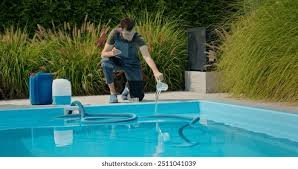
Water chemistry is one of the most important aspects of pool maintenance. Improper chemical balance can cause bacteria growth, algae buildup, skin irritation, and damage to pool surfaces or equipment. Professional technicians understand how to maintain the proper levels of chlorine, pH, alkalinity, and calcium hardness to keep pools clean and safe.
In addition to water treatment, technicians also focus on equipment efficiency. Pumps and filters work continuously to maintain circulation and cleanliness. When these systems become clogged or damaged, water quality declines rapidly. Regular inspections help ensure equipment operates efficiently while reducing unnecessary energy consumption.
Many property owners attempt to manage pool maintenance independently, but even small mistakes can create expensive consequences. Overusing chemicals, ignoring circulation issues, or failing to clean filters properly may shorten the lifespan of pool systems. Professional service reduces these risks while improving overall pool reliability.
Common Pool Problems That Require Expert Attention
Swimming pools experience constant exposure to weather, debris, sunlight, and heavy usage. Over time, these factors create maintenance challenges that require expert solutions. Professional pool technicians identify these issues early before they develop into larger problems.
Cloudy Water and Algae Growth
Cloudy water is often one of the first signs of poor filtration or chemical imbalance. Algae growth may also develop quickly when chlorine levels become inconsistent. Technicians diagnose the root cause of these issues and restore proper water conditions through targeted treatment and filtration adjustments.
Poor Water Circulation
Weak circulation prevents chemicals from distributing evenly throughout the pool. This creates areas where bacteria and algae can grow more easily. Technicians inspect pumps, filters, and return lines to ensure proper water movement and system performance.
Equipment Malfunctions
Pool pumps, heaters, and filters naturally wear down over time. Unusual noises, leaks, or declining performance often indicate mechanical problems that need immediate attention. Regular servicing helps prevent complete equipment failure and extends operational lifespan.
Rising Energy Costs
Older or poorly maintained systems often consume excessive energy. Dirty filters, damaged pumps, or inefficient equipment force systems to work harder than necessary. Professional maintenance improves efficiency and helps reduce utility expenses.
Surface and Structural Damage
Cracks, stains, or damaged tiles may appear gradually if maintenance issues are ignored. Technicians monitor structural conditions and recommend repairs before problems worsen.
Benefits of Routine Pool Maintenance
Consistent maintenance performed by professional pool technicians provides several long-term advantages for both residential and commercial properties. Preventive care improves system reliability while minimizing unexpected repair costs.
Improved Water Quality
Routine testing and treatment maintain balanced water conditions that support swimmer safety and comfort. Properly maintained pools remain cleaner, clearer, and healthier throughout every season.
Extended Equipment Lifespan
Regular inspections help identify worn or damaged components before major breakdowns occur. Preventive servicing reduces strain on equipment and extends the lifespan of pumps, filters, and heaters.
Lower Repair Costs
Minor issues often become expensive repairs when left unresolved. Scheduled maintenance helps technicians detect problems early, reducing the likelihood of emergency service calls and major replacements.
Better Energy Efficiency
Efficient systems consume less electricity and operate more effectively. Cleaning filters, optimizing circulation, and maintaining equipment performance all contribute to lower energy consumption.
Increased Property Value
A clean and well-maintained pool improves the appearance and value of a property. Residential homeowners and commercial facilities both benefit from maintaining attractive and functional pool environments.
The Role of Technology in Modern Pool Maintenance
Technology continues to transform the pool maintenance industry. Today’s professional pool technicians often work with advanced automation systems that simplify monitoring and improve operational efficiency.
Smart pool systems allow technicians to control pumps, lighting, heating, and chemical levels remotely. Automated systems can detect irregularities and notify technicians before problems escalate. This proactive approach helps maintain consistent performance while reducing maintenance disruptions.
Energy-efficient equipment has also become increasingly popular. Variable-speed pumps, automated cleaners, and advanced filtration systems reduce energy use while improving water circulation. Professional technicians understand how to install, calibrate, and maintain these systems for maximum efficiency.
Digital water testing tools further improve maintenance accuracy. Instead of relying solely on manual testing methods, technicians can now analyze water chemistry more precisely and adjust treatments accordingly. Accurate testing helps maintain healthier swimming conditions while minimizing unnecessary chemical usage.
Choosing the Right Professional Pool Technicians
Finding reliable professional pool technicians requires careful evaluation of experience, expertise, and service quality. Not all maintenance providers offer the same level of professionalism or technical knowledge.
Industry Experience
Experienced technicians understand how to handle different pool systems, equipment brands, and maintenance challenges. Years of hands-on experience often lead to faster diagnostics and more effective solutions.
Preventive Maintenance Knowledge
Strong maintenance programs focus on prevention rather than reactive repairs. Technicians who prioritize inspections and routine servicing help reduce long-term costs and improve pool reliability.
Equipment Expertise
Modern pools contain complex mechanical and automated systems. Skilled technicians should understand filtration systems, circulation components, heating equipment, and water chemistry management.
Consistent Service Scheduling
Reliable maintenance schedules ensure pools receive regular care without interruption. Consistency is essential for maintaining water quality and preventing equipment deterioration.
Communication and Transparency
Professional service providers explain maintenance findings clearly and recommend solutions based on actual pool conditions. Transparent communication helps property owners make informed decisions about repairs and upgrades.
Pool Maintenance for Commercial Properties
Commercial swimming pools require even greater attention than residential pools because they experience heavier usage and stricter safety standards. Hotels, resorts, fitness centers, and apartment complexes often depend on professional pool technicians to maintain compliance and ensure positive guest experiences.
High-traffic pools require more frequent testing, cleaning, and equipment inspections. Technicians monitor sanitation levels carefully to reduce health risks and maintain water clarity. Commercial facilities also rely on preventive maintenance programs to avoid operational downtime that could affect customers or tenants.
Energy management is another important factor for commercial pools. Efficient systems help reduce operational expenses while maintaining consistent performance. Professional technicians evaluate equipment operation regularly to optimize efficiency and minimize unnecessary costs.
Seasonal Pool Care and Preparation
Seasonal changes create additional maintenance demands for swimming pools. Temperature fluctuations, storms, debris, and changing usage patterns all impact water quality and equipment performance.
During warmer months, pools often require increased chemical monitoring and filtration maintenance due to heavier usage and higher temperatures. Technicians adjust treatment plans to maintain balanced water conditions despite increased demand.
Cooler seasons also require preparation to protect pool systems from potential damage. Professional inspections help ensure pumps, pipes, and heaters remain protected during periods of reduced usage. Seasonal maintenance prevents avoidable repairs and supports long-term equipment durability.
Preventive Maintenance Supports Long-Term Performance
Preventive maintenance remains one of the most valuable services offered by professional pool technicians. Instead of waiting for visible problems to appear, technicians monitor systems regularly to identify early signs of wear or inefficiency.
Routine inspections include checking filters, pumps, valves, electrical systems, and water chemistry. This proactive approach improves reliability while reducing the likelihood of unexpected breakdowns. Preventive maintenance also supports safer swimming environments by ensuring proper sanitation and circulation.
Long-term pool performance depends heavily on consistent care. Small maintenance tasks performed regularly often prevent larger structural or mechanical problems in the future. Property owners who invest in preventive service typically experience fewer emergencies and lower repair costs over time.
Conclusion
Maintaining a clean, safe, and efficient swimming pool requires more than occasional cleaning or chemical treatment. Modern pool systems demand technical expertise, consistent monitoring, and preventive care to perform at their best. Experienced professional pool technicians provide the knowledge and support necessary to protect pool equipment, improve water quality, and extend system lifespan. Companies like Balanced Poolz help property owners maintain dependable and high-performing pool systems through professional maintenance solutions.
From water chemistry management to equipment inspections and energy optimization, professional maintenance services help prevent costly repairs while creating healthier swimming environments. Routine care also improves efficiency, enhances property value, and supports long-term reliability for both residential and commercial pools.
As pool technology continues to evolve, skilled technicians remain essential for maintaining optimal performance and ensuring pools operate safely throughout every season.